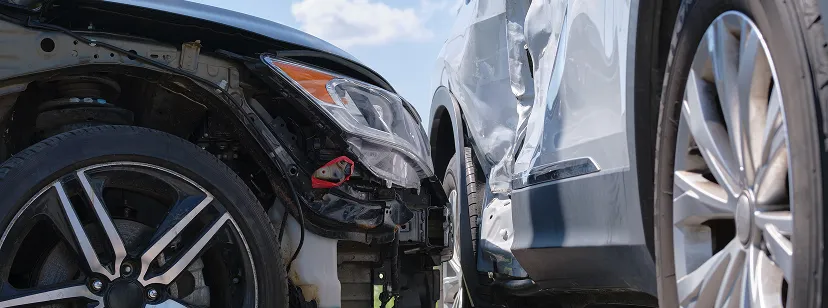
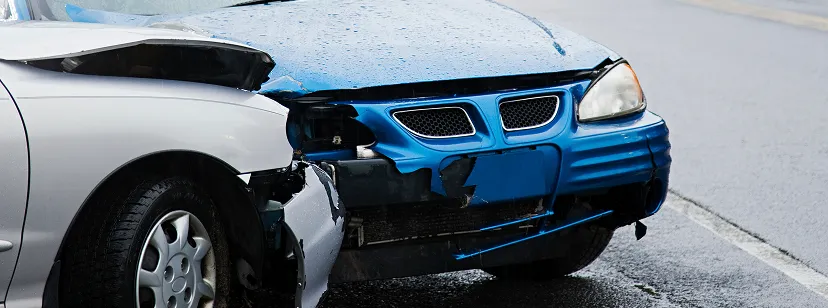
Writing off your car can feel like a setback, but the process is more straightforward than most people expect. Whether your vehicle has been damaged in an accident or assessed after a claim, knowing what happens next will help you make the right decision quickly.
What Does “Written Off” Actually Mean?
A car will be classes as written off when an insurance company decides it is not worth repairing based
on the cost of repair compared to its market value. This is often referred to as a total loss.
Your insurance provider will assess the damage, your vehicle’s mileage and its pre-accident market value before making a decision. In some cases, minor damage can result in a car write-off if repair costs are high.
This doesn’t always mean the car or van can’t be repaired – just that it’s not economical under your policy.
Understanding Write-Off Categories
When a vehicle is written off, it is placed into one of several insurance categories. These categories explain the level of damage and whether the car can be repaired or must be scrapped.
- Category A – The vehicle must be completely scrapped and cannot return to the road.
- Category B – The body shell must be scrapped, though some parts may be salvaged.
- Category S – The vehicle has suffered structural damage but can be repaired and returned to a roadworthy condition.
- Category N – The vehicle has non-structural damage and can also be repaired.
Older terms like Category C and Category D are no longer used but may still appear in older records. These insurance write-off categories are recorded and can affect future value.
What Happens After an Insurance Write-Off?
Once your insurance claim is approved, your insurers will make you an offer based on the vehicle’s current value – known as insurance payout. You’ll usually need to pay your policy excess, which is deducted from the final amount. If you believe the valuation is too low, you can challenge it by providing evidence such as recent sales, service history or condition details.
If your car has outstanding finance – the insurance company will often settle this directly with the finance company. If the payout doesn’t cover the full amount, you may still need to pay the remaining balance.
Can You Keep or Repair the Vehicle?
In some cases, you may be able to keep your written off vehicle, depending on the category. For Category
S and Category N cars, repairing is an option, but you’ll need to ensure it meets MOT standards and is safe
to drive.
Before returning the car to the road, you must update the DVLA and ensure the log book reflects the correct status. Driving something that isn’t properly declared or roadworthy could result in penalties or being fined.
It’s also worth noting that repaired vehicles can be harder to insure and insurance premiums may be higher
due to the write-off history.
Should You Repair, Sell or Scrap It?
Deciding what to do next depends on the condition of your vehicle and the costs involved. Repairing may be worthwhile if the damage is minor, but for more serious cases, scrapping or selling is often the more practical option. Selling your car through a dealer, the motor trade or online buyers can be quicker than a private sale, especially if the vehicle has been written off. Many buyers will still purchase Category S or Category N vehicles, while Category A and B cars will need to be scrapped through authorised channels.
If you choose to scrap the vehicle, make sure the paperwork is completed correctly and that the DVLA is notified. This ensures you are no longer listed as the keeper of the vehicle and avoids any future liability.