
It’s part of daily routines and family life. However, no car can last forever, and knowing when to sell can save you money, stress, and inconvenience. If your circumstances have changed or your vehicle is showing its age, here are 10 signs you should sell a car and that it might be time to move on.
1. Your Car No Longer Meets Your Needs
One of the most common reasons to sell a car is simple: it no longer fits your lifestyle. Life changes fast, and a nippy hatchback that was perfect for commuting might start to feel cramped with a growing family. A large family car that once suited school runs may feel unnecessary once the kids have left home. If you’re moving house, your needs can change. Relocating to a city centre might make car ownership less practical, while moving to a rural area might require something more suitable for off-roading.
When mileage patterns change, and you’ve started driving long distances regularly, you may want something more fuel-efficient. Or, if you now work from home and barely use your vehicle, it might not make financial sense to keep it at all. When your car no longer supports your day-to-day life, that’s a strong sign it’s time to consider selling.
2. Your Car Is at Its Most Valuable
Cars depreciate constantly, but not always evenly. There are moments when your vehicle may have a particularly strong resale price. This can happen when demand for the model is high, there’s limited availability of new cars, or your vehicle has a relatively low mileage.
Selling before the mileage climbs too high, while the car still has a full service history and remains in good condition, can make a real difference to its value. Timing your sale strategically can prevent you from selling
at the steepest point of depreciation.
3. Repairs Cost More Than the Car Is Worth
At some point, repair bills can outweigh the vehicle’s value. If you’re facing a substantial garage invoice, perhaps for a new clutch, gearbox, or substantial repairs, then it’s worth comparing the cost with the car’s current market value.
If the repair bill approaches or exceeds the car’s resale value, or you’re regularly spending large sums just to keep it roadworthy, it may be time to reconsider if maintaining it is worthwhile. Continuing to invest in an ageing vehicle can quickly become uneconomical. Selling before another major fault develops may be the more sensible financial decision.

4. It’s Becoming Too Expensive to Run
The cost of a car goes beyond servicing. Fuel, insurance, road tax, MOT tests, tyres, parking permits and routine maintenance all contribute to ongoing expenses. Larger engines and older vehicles often come with higher running costs.
With fluctuating fuel prices, a car with low miles per gallon can place a strain on monthly budgets. If you find yourself consciously limiting journeys because of the cost, that’s usually a sign that the vehicle no longer makes financial sense. Switching cars could significantly reduce day-to-day costs.
5. The Car Feels Unsafe
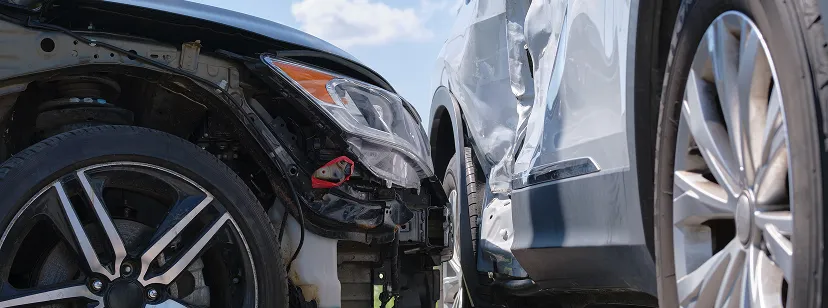
Safety should never be compromised. If your car feels unstable at higher speeds, has braking issues, frequently displays warning lights, or has been involved in a serious accident, then it may no longer be safe to drive.
Modern vehicles come equipped with increasingly advanced safety technology, with features like autonomous emergency braking, lane-keeping assistance and improved airbag systems. If your current car lacks these features and feels outdated, upgrading will offer added safety and a more relaxed drive.
6. It’s Breaking Down Frequently
Occasional maintenance for a car is expected; regular breakdowns are not. If you’re repeatedly contacting breakdown services, visiting the garage several times a year, or feeling anxious before long road trips, your car may be nearing the end of its practical lifespan. Missed appointments, disrupted commutes, and unexpected recovery costs can outweigh the benefit of keeping the vehicle. Your car should be reliable, and if you’re not confident, then it’s probably time to sell.
7. It’s the Right Time of Year to Sell
Seasonal demand can influence how quickly you can sell and the price you achieve. For example, convertibles tend to sell more easily in spring and summer. Four-wheel drives and SUVs often attract more attention in autumn and winter. Economical cars may see increased demand during periods of rising fuel prices.
The wider market also plays a role. New registration plate releases in March and September can affect buyer behaviour, as can changes to tax rules or interest rates. If you’re already considering selling, choosing the
right moment could strengthen your negotiating position as your vehicle’s value will be at the best point possible. We take this hassle away, with us you can sell your car at any time without having to worry about fluctuating prices.
8. Fuel Efficiency Has Declined
Over time, engines become less efficient. Wear and tear, ageing components, and outdated technology can all reduce fuel economy. Even if your car was once considered efficient, newer models may significantly outperform it.
If you’ve noticed more frequent trips to the petrol station, rising monthly fuel costs, and reduced overall performance, it may be worth calculating the long-term expense of keeping it. Improved fuel efficiency alone can justify upgrading.
9. It’s Not Environmentally Friendly
Environmental regulations across the UK are tightening. Older petrol and diesel vehicles often produce higher emissions and may not meet current standards. Many cities now operate Clean Air Zones, charging drivers of higher-emission vehicles to enter certain areas.
If your car falls into a higher emissions bracket, is subject to daily charges, or has a high road tax band, it may be both environmentally and financially costly. Hybrid and electric vehicles are becoming more widely available and affordable. If reducing your carbon footprint is important to you, or local regulations are making ownership expensive, selling your car could be a forward-thinking move.
10. Your Financial Situation Has Changed
Sometimes, selling a car isn’t about the vehicle itself. Changes in employment, household income, or personal priorities can change the sensibility of owning a car. When you sell, you have a large sum of cash, no finance repayment, and reduced monthly costs.
If you’re reassessing your budget or wanting greater financial flexibility, selling your car could ease a lot of pressure. Equally, if your vehicle currently holds strong resale value, selling before depreciation accelerates may protect your finances further, as you can sell for the best price possible.

Making the Decision
Letting go of a car can feel emotional, particularly if you’ve owned it for years. But practical considerations should guide the choice. When you’re asking yourself, “Should I sell my car?”, also consider “Does this car still suit my life?”, “Is it costing more than it should?”, and “Would I choose to buy it again today?”.
If you’re not sure of the answers, it may be time to explore your options. The best time to sell is usually before problems escalate, not after a major repair, failed MOT, or financial strain forces your hand. By recognising the signs you should sell a car early, you stay in control of the decision.